The big annual raffle
A car, a holiday or cash, a $20 ticket with packs, nine weeks and more than one state. Median $34,800 across 183 raffles over $20,000.
The Big Charity Raffle, by the numbers
For charities & not-for-profits
Charities and not-for-profits have run raffles on RaffleLink since 2016: supporter-list raffles, gala-night draws, and the big annual raffle with a car or a holiday on the line. This page is what the numbers say about all of them, so a fundraising manager can build the case from evidence rather than instinct.
Used by







Pick the total you are aiming at and read across: a $5,000 raffle and a $50,000 raffle are not the same raffle run harder. The bigger ones charge more per ticket, sell for longer and open more states, and the buyer count grows with all three. Full tables in charity raffles by the numbers.
| Raffle size | Buyers | Typical ticket | Days on sale | States opened |
|---|---|---|---|---|
| Under $5,000 | 57 | $5 | 32 | 1 |
| $5,000–$20,000 | 170 | $10 | 42 | 1 |
| $20,000–$50,000 | 500 | $15 | 60 | 2 |
| $50,000–$100,000 | 976 | $25 | 76 | 3 |
| Over $100,000 | 2,782 | $25 | 86 | 6 |
Medians for each band. The first raffle builds the list the second one starts from, so the second usually lands a band higher than the first.
A charity’s supporters are rarely all in one postcode. Each state you sell into has its own permit position, and RaffleLink checks them all. The raffles that open more of them raise more, and the buyer data says why: raffles opened to four or more states took half their money from outside the organisation’s home state.
Weighing up Queensland in particular? Adding QLD to an interstate raffle.
| States opened | Raffles | Median raised | Interstate revenue |
|---|---|---|---|
| Home state only | 1,045 | $2,800 | 4% |
| 2–3 states | 209 | $4,900 | 29% |
| 4 or more states | 409 | $5,200 | 51% |
Buyer counts barely move between a $2 ticket and a $50 ticket; spend per buyer moves from $22 to $143. The prize is what makes the higher ticket feel fair. Holidays are the charity default and perform respectably; cash is the standout below the car tier. Cash prizes are not permitted in Victoria, where a voucher or bullion prize plays the same role.
| First prize | Raffles | Median raised | Top quarter | Ticket |
|---|---|---|---|---|
| Hamper or prize pack | 148 | $1,750 | $3,500 | $5 |
| Holiday or accommodation | 381 | $3,600 | $7,900 | $10 |
| Cash | 112 | $6,800 | $23,700 | $10 |
| Car | 76 | $38,700 | $74,000 | $25 |
Most organisations settle on one supporter-list raffle a year and, once the list is there, one big one.
A car, a holiday or cash, a $20 ticket with packs, nine weeks and more than one state. Median $34,800 across 183 raffles over $20,000.
The Big Charity Raffle, by the numbersThe strongest prize below the car tier: twice the median of a typical charity raffle, because $5,000 in cash needs no explaining and justifies a $10 ticket. Not permitted in Victoria.
Charity raffles by the numbersGala, dinner, golf day. Sold in the room with Tap to Pay and QR codes, drawn before dessert. Takes most of its money in a single evening, so design for the room.
Why event raffles take their money in one nightA holiday or appliance prize, a $10 ticket, six weeks and four emails. The workhorse: it is where the second and third raffles compound the first one’s buyer list.
Seven email tips for raffle ticketsA raffle asks for $20 and gives something back. It reaches the supporters who have stopped opening appeal emails, and the ones who have never given.
How raffles beat donor fatigueOne organisation’s raffle had more than half its buyers, and 57% of its revenue, from people who had bought from them before. That list is the asset.
The returning-supporters case studyA $20 ticket from someone who has never heard of you is an act of trust. Big charity raffles are built to earn it, and the platform does most of that work before the first email goes out.
ABN, VGCCC or manual verification, shown on the raffle page. 62% of charity organisations on the platform carry it, and a $20 ticket from a stranger starts with it.
Every draw is cryptographically signed and the results published. In Queensland the draw program itself is OLGR-approved to $500,000.
Thresholds, prize-to-ticket ratios, draw order and duration limits for all eight states and territories, checked during setup. We can lodge permit applications on your behalf.
Tax invoices to buyers, statutory returns where a state requires them, and an audit trail your treasurer and your auditor can both read.
Check the permit position for each state · How compliance works on RaffleLink · Queensland Category 3
Case studies and guides from the blog. New pieces appear here as they publish.
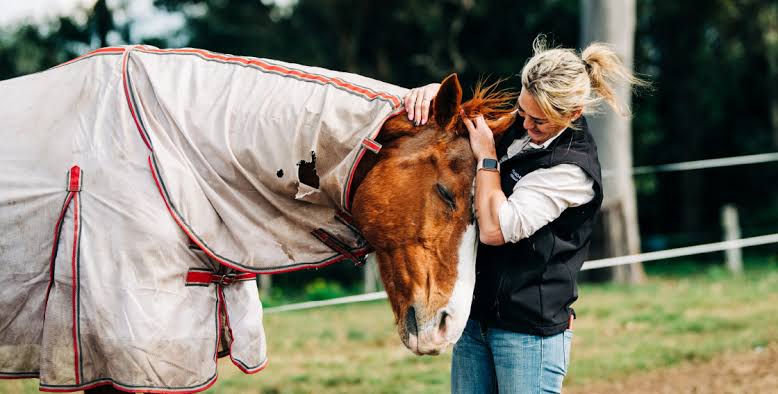
When Save A Horse Australia drew its $10,000 Cash Raffle in August, 57% of the money had come from returning supporters — some of whom had been buying tickets since 2019. This is what a supporter base compounding looks like.
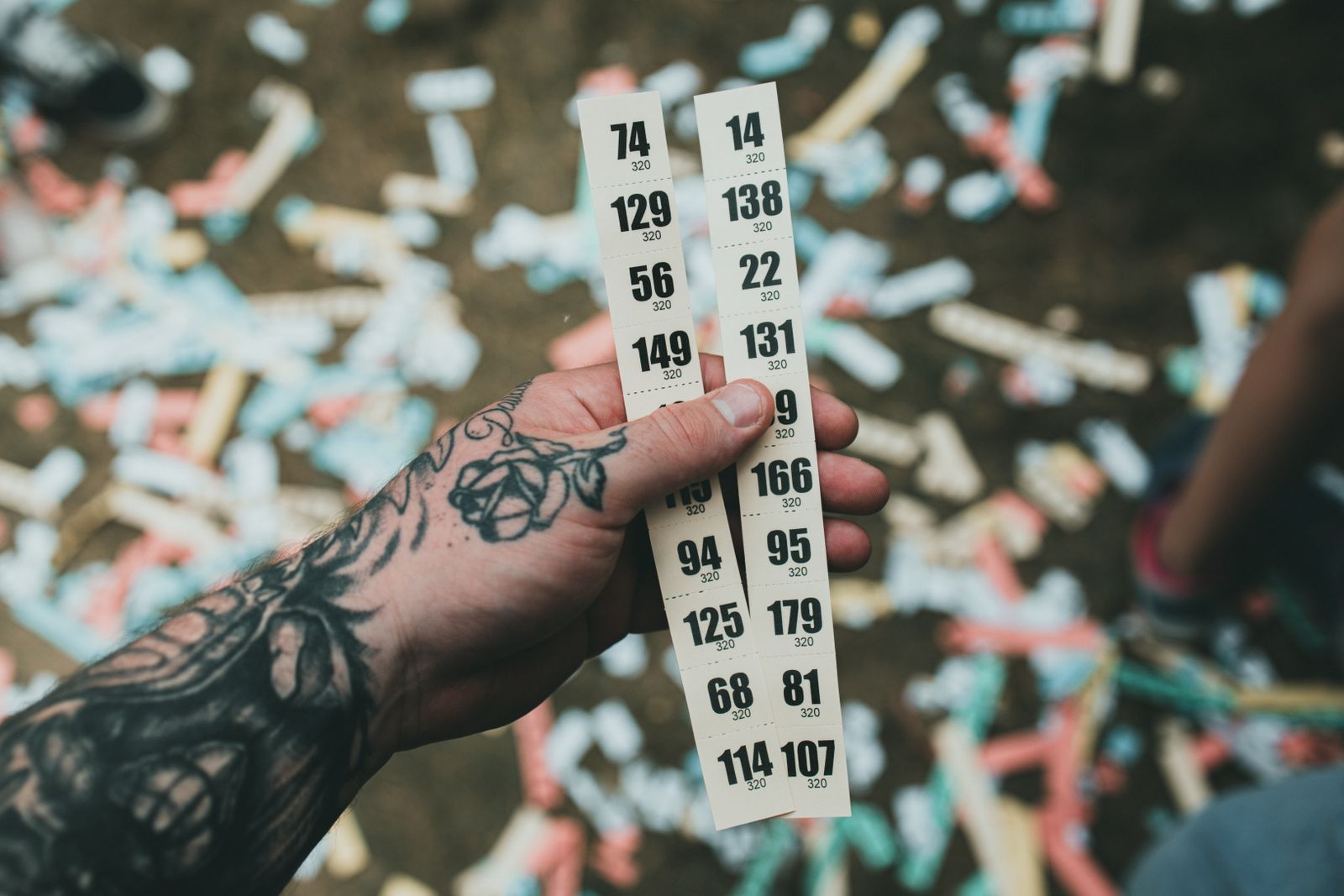
Across the raffles drawn on the new RaffleLink platform, the pattern is hard to miss: when a raffle is attached to an event, the event night dominates. Here is the data, a $19,170 afternoon at a rugby ground, and how to design for it.

Giant Steps Melbourne sold out its 2026 Ball raffle two weeks before anyone put on a gown — at $50 a ticket, to an audience of just 150 buyers. A case study in pricing for your audience instead of the average.
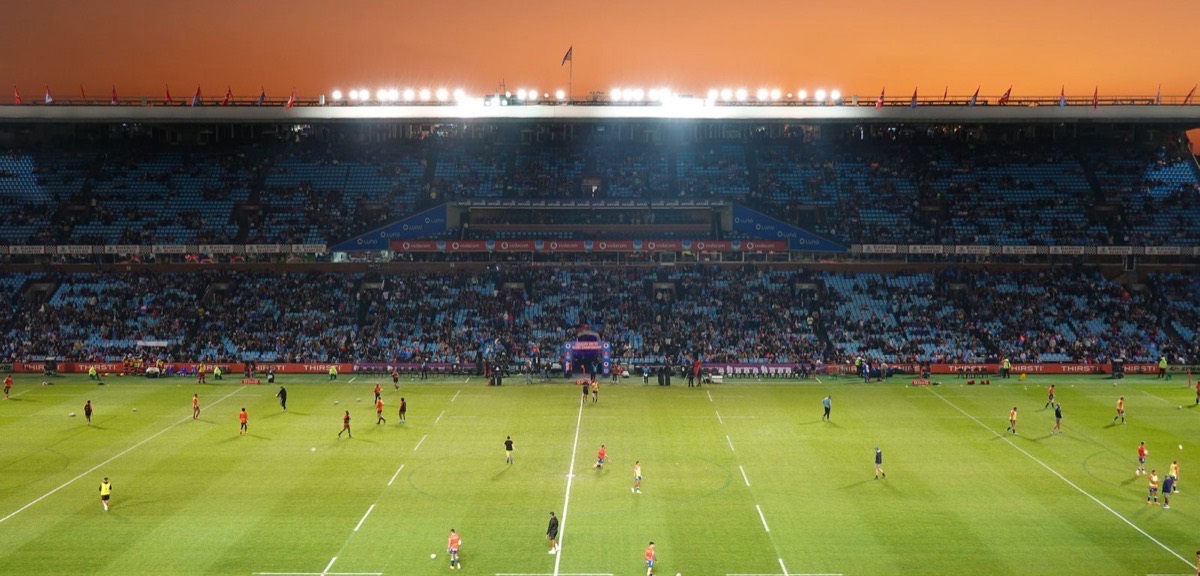
The Cure Starts Now Australia raised over $9,000 for childhood brain cancer research from a single prize advertised at $2,500 — and two-thirds of it arrived in the final week.
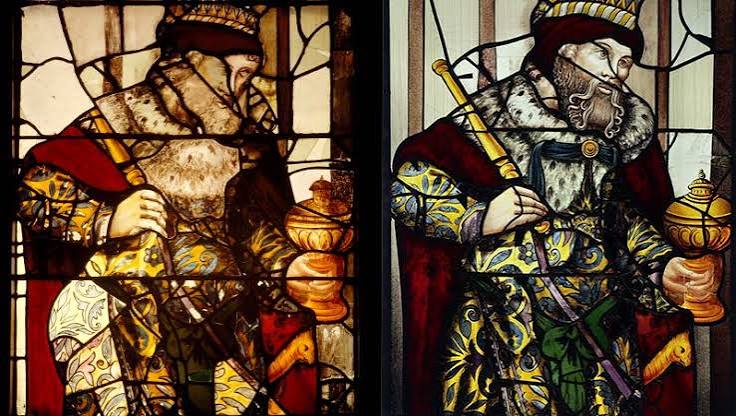
The Abbey Museum funded its 35th anniversary raffle using the one asset it already owned — the Abbey Medieval Festival itself. A prize-sourcing lesson for any organisation that runs an event.
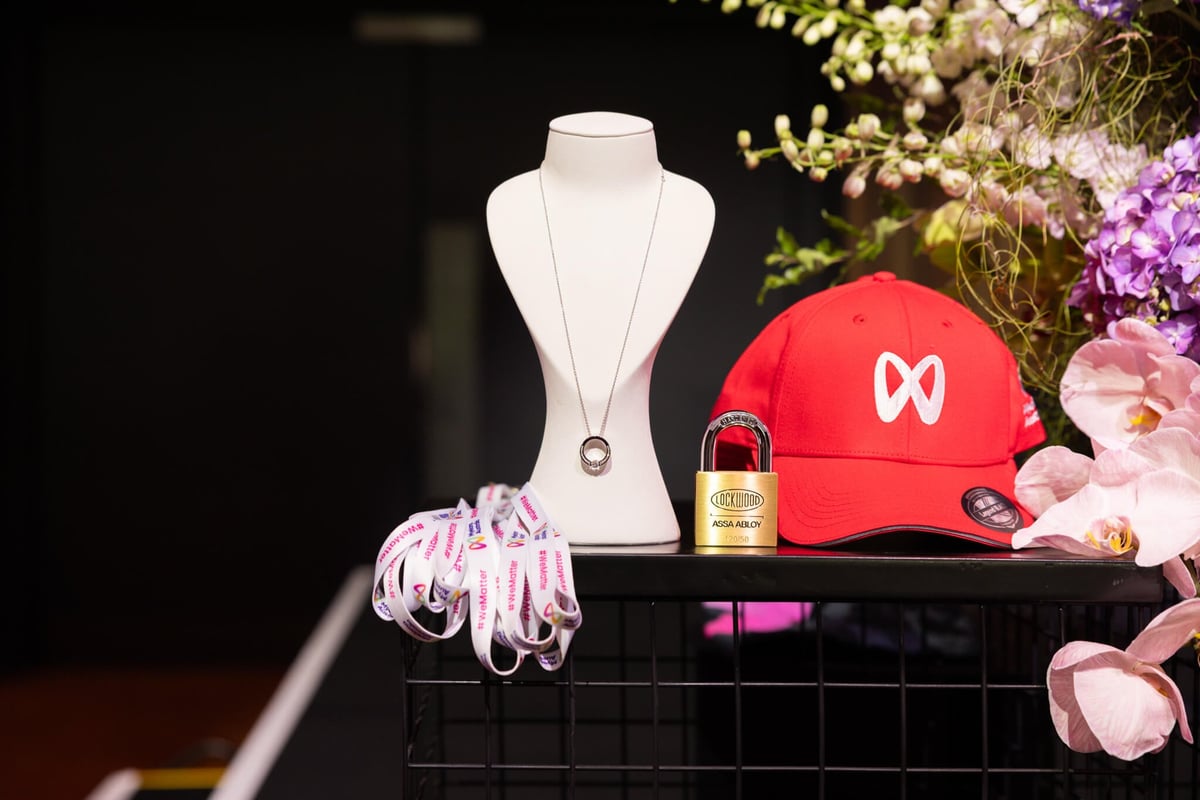
How Myeloma Australia turned a $10,000 diamond pendant into an interactive key challenge — raising nearly $30,000 in two days with a 73% conversion rate.
No setup fee, no subscription: 5.5% on card sales including GST, and cash sales are free. Nothing is payable until tickets sell. 93% of charity raffle revenue arrives online and the average order is $49.
Benchmarks as of September 2026.