89 Orders in One Minute: Inside the Chief Executive Women Annual Raffle
Chief Executive Women has a fundraising problem most organisations would envy and few would know how to solve. Founded in 1985, CEW represents more than a thousand of Australia’s most senior women leaders across the corporate, public service, academic and not-for-profit sectors. Its scholarship program has backed over 340 women since 1992 to study at places like Harvard Kennedy School, INSEAD and Oxford Saïd, covering tuition in full. In 2025 alone it distributed more than $490,000.
That money has to come from somewhere, and the somewhere is four nights a year.
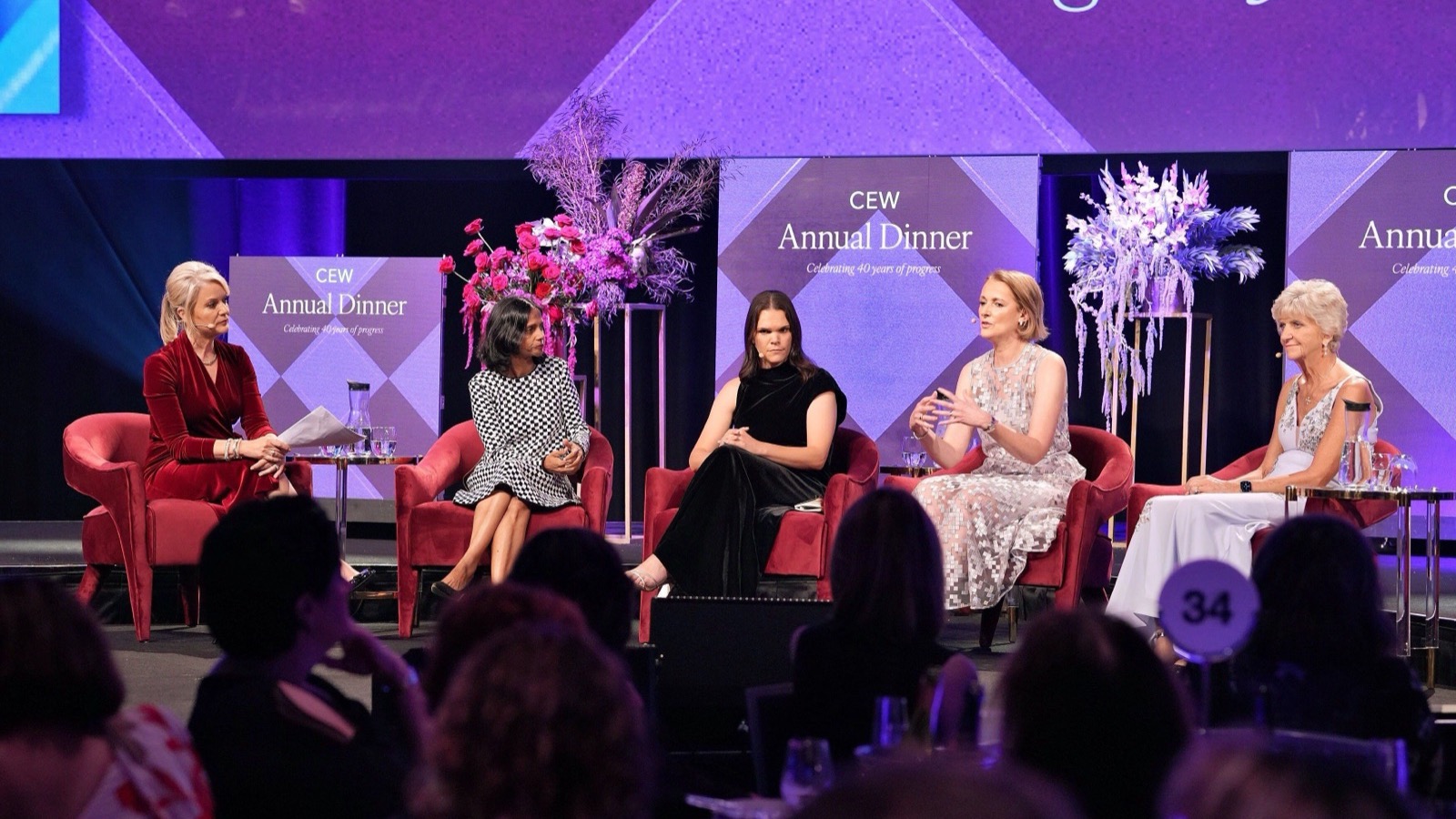
CEW’s Annual Dinners run in Melbourne, Perth, Brisbane and Sydney, and a single raffle runs across all four. In 2026 it sold $174,450 in tickets to 1,658 buyers, plus a further $2,124 from supporters who chose to cover the card fees on top. It is the sixth raffle CEW has run with RaffleLink since 2020, and together those six have raised $1,055,210.
The campaign is four nights
The 2026 raffle opened on 8 April and closed on 21 May, a touch over six weeks. Almost nothing happened in between.
| Dinner | Date | Ticket sales | Share of campaign |
|---|---|---|---|
| Melbourne, Palladium at Crown | Wed 22 April | $41,650 | 23.9% |
| Perth, The Westin | Thu 30 April | $19,350 | 11.1% |
| Brisbane, The Star | Fri 8 May | $14,650 | 8.4% |
| Sydney, ICC Sydney | Thu 21 May | $69,400 | 39.8% |
Those four nights account for $145,050, or 83% of everything sold. The remaining six weeks of the campaign, every quiet Tuesday and every promotional email, contributed the other 17%.
And inside those nights, it is minutes
Zoom in and the concentration gets dramatic. The dinners run from 6pm to 10:30pm. Sales in every city peak in the evening, but they do not all peak the same way.
| Dinner | Busiest minute | Orders in it |
|---|---|---|
| Melbourne | 7:43pm | 21 |
| Perth | 9:15pm | 38 |
| Brisbane | 8:17pm | 10 |
| Sydney | 7:37pm | 89 |
Sydney detonated. In the five minutes from 7:35pm, the ICC ballroom placed 263 orders. In the single minute of 7:37pm it placed 89, better than one a second, and the 7pm hour as a whole took 484. Melbourne’s evening was the opposite shape: 248 orders across the 7pm hour, but never more than 21 in any one minute. Same pattern, different room, different tempo.
Anyone who has run a gala will recognise what the Sydney number describes. Somebody stood up, said something about the scholarships, and pointed at the QR code. Several hundred people reached for their phones at once.
There is no second chance at 7:37pm. A room that reaches for its phones together will not do it twice, so the ticket page has to hold at the exact moment it is asked to. CEW’s has, in four cities a year, across the six years they have run this raffle.
This is the shape of event fundraising
It is not a CEW quirk. Across the raffles running on RaffleLink today, our busiest selling minutes almost all land in the same place: between 7pm and 8pm, on the night of an event. Surf life saving conferences, football club dinners, corporate galas, trivia nights. Different causes, different rooms, same clock.
Which means an event raffle is not really a six-week campaign with a good finish. It is a handful of ninety-second windows, and everything in the weeks beforehand exists to make those windows work.
That reframes the practical advice:
- Open early, and let the quiet weeks do quiet work. CEW’s tickets were live six weeks before the first dinner. Those weeks raise little on their own, and that is fine. Their job is to get the page finished and the link circulating, so that when the microphone turns to the raffle, nobody in the room is hearing about it for the first time.
- Design for simultaneous, not for steady. The constraint is not a thousand buyers over a month. It is several hundred in the same room, on congested venue wifi, in the same ninety seconds. That shapes the checkout, which is why ours is built to be finished in a few taps with no account to create, and it shapes what sits behind it.
- Pick the moment deliberately. Perth peaked at 9:15pm and Brisbane at 8:17pm, well after the other two. The peak follows the run sheet, so the raffle should have a slot in the run sheet.
Flat pricing, and no discount for buying more
CEW charges $50 a ticket and offers packs of two, three and four. Every rung costs exactly $50 a ticket. There is no volume discount anywhere in the ladder.
That is unusual. Most raffles use packs to pull the average order up by making the bigger bundle look like better value. CEW does the opposite, and still lands an average order of $104 across 1,693 orders. The packs exist to save a second tap, not to cut the price, and in a room buying in ninety seconds a saved tap is worth more than a discount. Charging full freight on every ticket is worth real money, too: a 20% pack discount across this campaign would have cost roughly $35,000.
The prizes
The 2026 lineup ran to 17 prizes with a combined advertised value of $48,796, topped by a $15,000 Qantas voucher and a second at $7,000, then a private dinner cooked by a MasterChef alumnus, restaurant experiences, jewellery, fashion and art. At least some came from within the membership itself, including a Hermès bangle donated by a CEW member and thirty books personally selected by member and Hachette CEO Louise Stark.
A prize ladder rather than a single hero prize suits this format. With seventeen chances called out on the night, there is something to want at every point in the room.
Where it goes
Every ticket funds the scholarship program. The 2026 raffle’s $174,450 is a meaningful slice of the $490,000-plus CEW put into scholarships last year, which is to say a meaningful number of women sent to executive education who would otherwise have had to fund it themselves.
Six raffles, four cities, and a year’s fundraising decided in a handful of minutes.
CEW runs its Annual Dinner raffle on RaffleLink. If you run an event, the raffle should be ready before the room is. That is what we build for.